
If you follow the business side of independent music, you already know the good news. Independent creators and labels are capturing a massive chunk of the global market. A recent major report from Stvdio and Secretly Distribution shows that independent music now accounts for 46.7% of global recorded music revenue, 35% of streaming consumption, and 40% of album sales.
On paper, the independent sector has never looked stronger. But beneath those headline numbers, a quiet shift is changing how our music actually gets out to the world.
Here is what working musicians need to know about the changing landscape, and why ownership and transparency matter more than ever.
1. The Consolidation of Independent Distribution
Millions of independent artists proudly operate outside the major label system. Yet, the infrastructure we rely on has seen major consolidation. Over recent years, major labels and private equity firms have bought up key independent distribution networks, administrative platforms, and royalty-tracking systems.
The Reality on the Ground: An artist can turn down a traditional record deal, keep 100% of their masters, and call themselves independent—only to upload their music through a distributor ultimately backed by a major conglomerate.
Why It Matters: When the infrastructure is centralized, the entities owning the pipes hold the power to change rules on royalties, data control, and licensing terms.
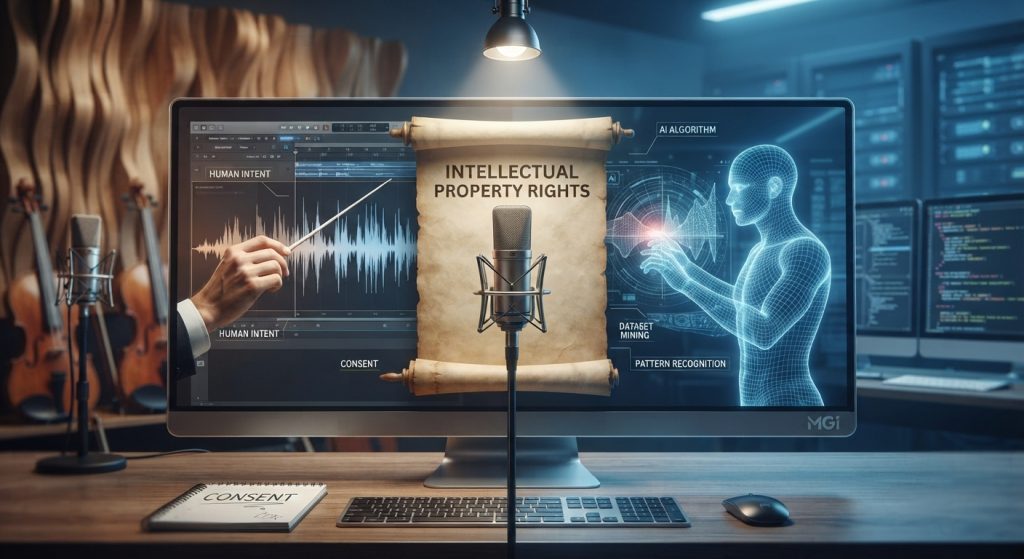
2. The Next Battleground: AI and Rights
As artificial intelligence alters the tech and production landscape, a new infrastructure layer is forming. While big tech and major labels battle over AI training models and copyright frameworks, independent artists are left trying to figure out how their creative work is used.
Most independent creators prefer strict consent models that protect their intellectual property. Ensuring that musicians keep a real voice—and actual veto power—over how their art interacts with emerging tech will be one of our defining labor issues.
3. Community-First Growth in a Crowded Market
With over 150,000 new tracks uploaded to streaming services every single day, technology has solved the problem of creation while making visibility harder than ever.
Data from Luminate reinforces that success rarely comes from chasing algorithmic lottery tickets. Instead, resilient careers are built on:
Niche Audiences: Cultivating a dedicated, engaged community rather than a passive listener base.
Direct Fan Connection: Providing real ways for supporters to back your work—through physical merchandise, direct support, or a transparent look into the creative process.
Back-Catalog Momentum: Treating older releases as active assets rather than forgotten milestones. Fans continue to dive deep into catalogs across multiple genres.
Moving Forward
 At Musicians Guild International, our core mission has always been to give independent creators the tools, contracts, and community support needed to maintain total control over their careers.
As things shift, stay informed, read the fine print on your distribution agreements, and lean into the power of community-driven support. True independence isn’t just about keeping your masters, it’s about understanding the systems behind them.
Are you seeing shifts in how you distribute or market your independent projects? Let us know your thoughts in the comments below or share your experiences in the MGI member directory.

Author: Guy Edrington
Freelance French Horn available for performance and teaching engagements. I specialize in studio/remote session work, chamber music, recitals, and ensemble performance (orchestra, opera, ballet, musicals). Also offering private lessons and masterclasses, online or in-person.