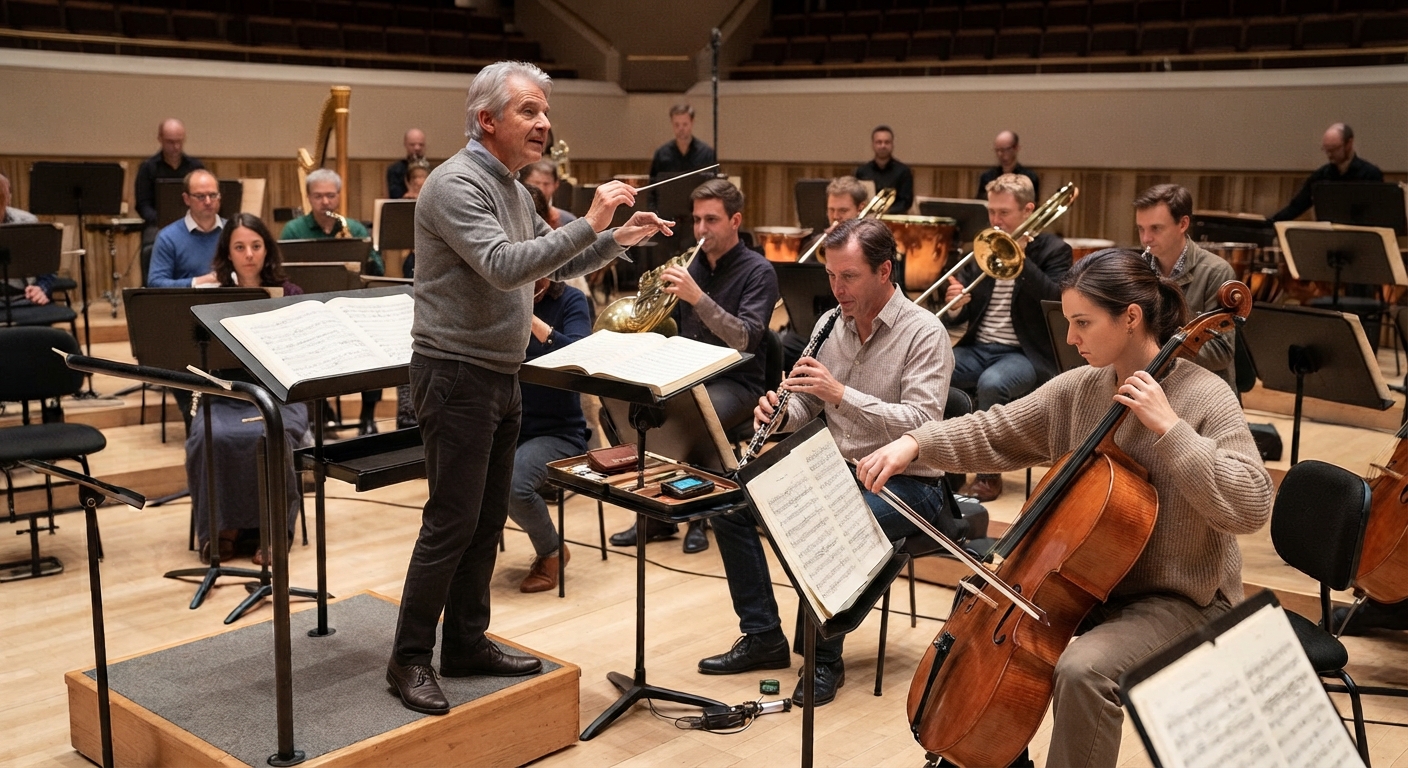
🚀 Members Area Update: To help you prepare for your next orchestral engagement or chamber project, we are adding professional rehearsal checklists, standard performance contract templates, and ensemble etiquette guides directly into the members area!
Stepping onto the stage as a professional musician requires far more than just the ability to play your instrument well. Whether you are performing in a symphony orchestra, a chamber ensemble, or a commercial recording session, your reputation is built on how you handle the entire ecosystem of the job.
In my own experience mentoring players over the years, the younger the player, the later they tend to get to the gig. Arriving early, mastering your individual part ahead of time, warming up thoroughly, and communicating seamlessly with conductors and contractors separate the amateurs from the true professionals.
⏰ Punctuality and Preparation Sets the Baseline
Arriving fifteen minutes early might sound fine on paper, but from a seasoned professional’s point of view, that is an amateur standard. You need to build a much larger safety buffer into your schedule.
The Real Timeframe: Aim to arrive at the venue at least thirty minutes to a full hour before your call time. If you are traveling to an out-of-town gig, get there even sooner. You never know what unexpected obstacles might happen along the way, such as a car breakdown or traffic delays.
Preparing for the Unexpected: Giving yourself extra time protects you against those moments of human error. We have all experienced arriving at a venue only to realize we forgot something critical like our sheet music, concert blacks, or performance accessories. Extra time ensures you can handle emergencies without throwing off the entire ensemble. i was drove 150 miles to a gig and forgot to bring my tux. You just never know.
Warming Up Properly: You need to warm up your instrument and your embouchure either at home before you go or in the venue before call time. Walking onto stage “cold” invites tone issues, fatigue, and missed notes during high stakes passages.
Respecting the Schedule: When a rehearsal is scheduled to start at a specific hour, the ensemble should be seated and ready to play at that exact moment. Sliding in just as downbeat is called creates unnecessary stress for the contractor and disrespects everyone else’s time.
🎼 Preparing Your Part Before Rehearsal
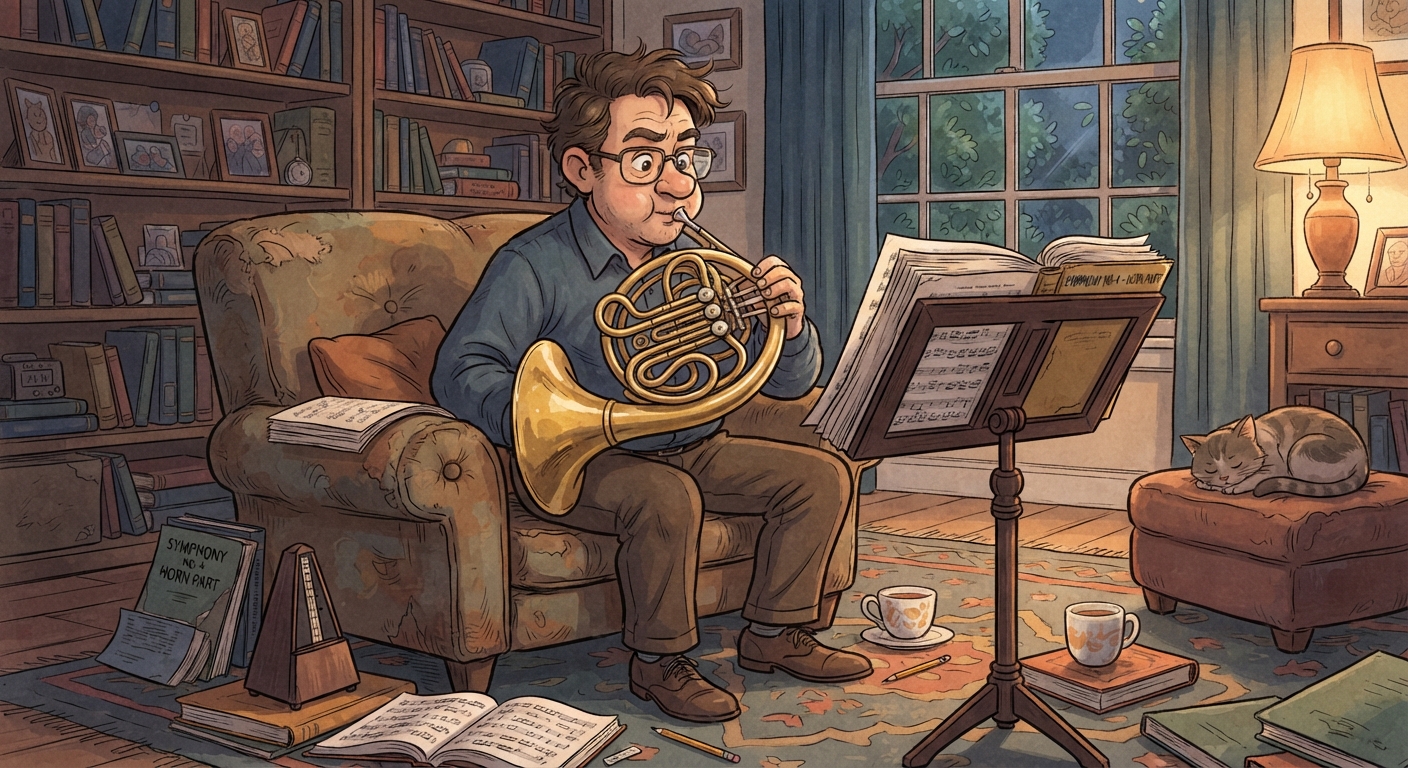
One of the most common pitfalls in modern ensembles is the assumption that rehearsal is a place to learn the music. Too many musicians show up unprepared, figuring they can just get by by sightreading their parts on the fly.
Do Your Homework: Practice your music thoroughly before day one. Know the tricky rhythms, difficult key signatures, dynamic shifts, and tricky tempo changes so you are not stumbling through basic execution during group rehearsal.
Strive for Excellence: Do not aim for the bare minimum or settle for less perfection just because you assume nobody will notice your individual chair in a large section. Arrive with your part fully internalized so you can focus on listening, blending, and responding to the conductor.
🤝 Blending and Section Dynamics
Orchestral playing is an exercise in collective artistry. Your role shifts dynamically between leading, supporting, and blending.
Listen Across the Section: Match the pitch, vibrato, articulation, and phrasing of your section leader and seatmates. A cohesive section sounds like a single unified voice rather than a collection of soloists fighting for volume.
Control Your Dynamic Range: Be acutely aware of the broader orchestration. If the woodwinds or strings have the melody, pull back your volume so you support the texture rather than overpowering it.
📞 Professional Communication
How you interact with music directors, contractors, and venue staff is just as important as your tone quality.
Clear and Prompt Replies: When a contractor sends out gig availability or contract offers, respond promptly and clearly. Keep your professional calendar organized so you never leave leadership guessing.
Positive Attitude on Stage: Rehearsals can be long and demanding, but maintaining a focused, constructive, and cooperative demeanor makes you a musician that contractors and conductors will eagerly call back for future projects.
Treating every rehearsal and performance with the highest level of preparation transforms you from a player just trying to survive the chart into a trusted artistic partner whom ensembles rely on.
Stay Sharp: Join Our Community Newsletter
Don’t miss out on career advice and resources designed for working artists. Join our newsletter here to receive early access to new rehearsal guides, contract templates, and professional development tips.

Author: Guy Edrington
Freelance French Horn available for performance and teaching engagements. I specialize in studio/remote session work, chamber music, recitals, and ensemble performance (orchestra, opera, ballet, musicals). Also offering private lessons and masterclasses, online or in-person.