If you talk to ten working musicians about how much money there is in performing right now, you will get ten different answers. Some pull in steady checks through local weekend residencies, regional theater pits, and club dates, while others build sustainable income streams entirely from their home studios or independent session work.
To figure out what the financial landscape actually looks like today, we have to look past the internet hype and examine the real numbers. We will break down what live gigging actually pays, compare it with studio rates, and show how independent musicians maximize earnings completely outside the traditional union system.
📋 1. The Reality of the Market: Who Makes a Full Living?
Before breaking down individual gig payouts and session rates, it is vital to understand the broader economic reality of the profession. Industry data and labor surveys consistently show that roughly 85% to 90% of musicians do not make a full-time living solely from playing or creating music. Only about 10% to 15% achieve total financial sustainability through music-related income alone.
When looking at all active performers, including local gigging musicians, regional band members, club acts, theater pit players, and community orchestra instrumentalists, the financial divide is stark:
The Local Gig Economy: For the vast majority of musicians playing live gigs in their local markets, performance is a part-time venture. Stagnant venue budgets and split guarantees mean local gigging rarely covers full-time living expenses on its own.
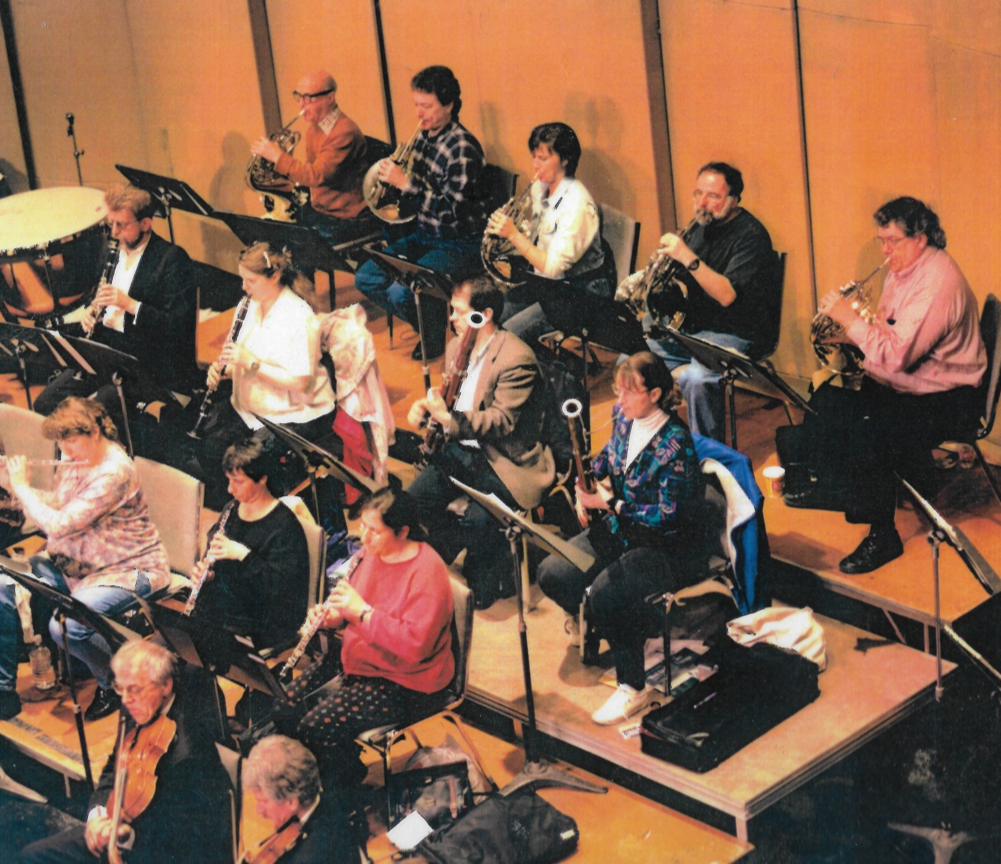
Per-Service Ensembles: Outside of top-tier major city symphonies, most regional orchestras and ensembles operate on a per-service stipend model rather than a full-time annual salary. This turns local ensemble work into seasonal or supplementary income.
The Portfolio Career: Very few working musicians survive on live performance alone. Most stitch together a living via a portfolio career combining local weekend gigs, private students, teaching positions, and remote home studio recording to bridge the gaps.
🎸 2. What Live Gigs Actually Pay: Local Performance Realities
For musicians who focus strictly on live gigs rather than studio tracking, income is dictated by local market tiers, venue capacities, and performance formats. Unlike union film scores or major tours, local live performance operates on a freelance hustle.
Typical Live Performance Payouts
Local Club and Bar Gigs: For original or cover bands playing local venues, guarantees typically range from $100 to $500 per band or door-split models. This translates to roughly $50 to $150 per musician per night after sound and travel expenses.
Private Events, Weddings, and Corporate Functions: This is where local gigging musicians make their highest margins. Private corporate events, upscale weddings, and gala performances regularly command $300 to $600+ per musician for a three to four hour performance window.
Regional Theater and Pit Orchestras: Community and regional musical theater runs generally pay a flat stipend per show or per rehearsal block. This typically averages $75 to $200 per service depending on the production budget.
Touring and Regional Show Circuits: Independent touring acts playing mid-sized ticketed venues often face tight margins where guarantees cover van rentals, gas, and modest per diems of $25 to $50 per day. Net profits rely heavily on merchandise sales rather than door cuts alone.
🎚️ 3. The Studio and Remote Economy: Complementing Live Income
Because local live performance is often seasonal or weekend-heavy, many instrumentalists supplement their stage income with studio work, either by booking physical commercial spaces or collaborating remotely from home project studios.
Physical Recording Studio Rental Rates
If you book physical studio space to record an ensemble or track acoustic instruments locally, commercial rates typically land in these ranges:
Hourly Rates: Professional studios with an engineer generally charge between $75 and $400 per hour.
Block Rates: Half-day blocks typically range from $200 to $900, while full eight to ten hour day lockouts run anywhere from $300 to $1,500+.
The Remote Freelance Market
For remote session players working out of home studios, work is overwhelmingly priced per track or per song:
Guitars and Bass: $75 to $300 per track.
Drums and Percussion: $100 to $400 per song, including multi-track stems.
Strings and Horn Sections: $100 to $400 per track for solo parts.
Vocals: $50 to $200 for backing harmonies, and $100 to $500+ for lead features.
🚫 4. Why Independent Musicians Are Skipping the Union
For most modern independent players, dealing with traditional unions like the AFM is a non-starter. Heavy local initiation fees, recurring membership dues, and mandatory work percentage deductions can severely cut into a working musician bottom line.
Instead, independent artists choose to keep 100% of their earnings by operating through modern professional networks like Musicians Guild International. By utilizing standardized direct performance contracts, transparent invoicing templates, and direct member directories, independent musicians secure high-paying gigs and protect their businesses on their own terms, without ever paying union dues or giving up a cut of their hard-earned performance fees.
🚀 5. How to Win High-Paying Live and Remote Work
Building a thriving career entirely outside the union ecosystem depends on your reputation, your reliability, and how easy you are to work with. Here is how independent players consistently land high-paying gigs:
Diversify Your Live Performance Calendar: Do not rely on just one venue type. Combine high-margin private corporate functions and weddings with steady weekend club residencies or regional pit orchestra contracts. Diversification stabilizes cash flow against seasonal slow periods.
Own Your Signal Chain and Tone: Whether playing live on stage or recording remote tracks from home, tone and professionalism are currency. Ensure your gear rig is dependable, your live amplification is pristine, and your home tracking chain sounds indistinguishable from a commercial room.
Build Direct Relationships with Bandleaders and Producers: The most lucrative independent gigs, both live and studio, rarely come from public job boards. They come from text messages between busy musical directors and producers. Make a list of local bandleaders, event coordinators, and studio engineers, and send them concise, professional introduction packets featuring live performance video clips or audio samples.
Treat your independent playing like a high-end service business, protect your calendar with standard contracts, and you can build a thriving, highly profitable performance career completely on your own terms.
💡 Stay Ahead of the Curve
Get more practical tips, industry insights, and musician resources straight to your inbox.

Author: Guy Edrington
Freelance French Horn available for performance and teaching engagements. I specialize in studio/remote session work, chamber music, recitals, and ensemble performance (orchestra, opera, ballet, musicals). Also offering private lessons and masterclasses, online or in-person.